

Things to Do in Kaunas
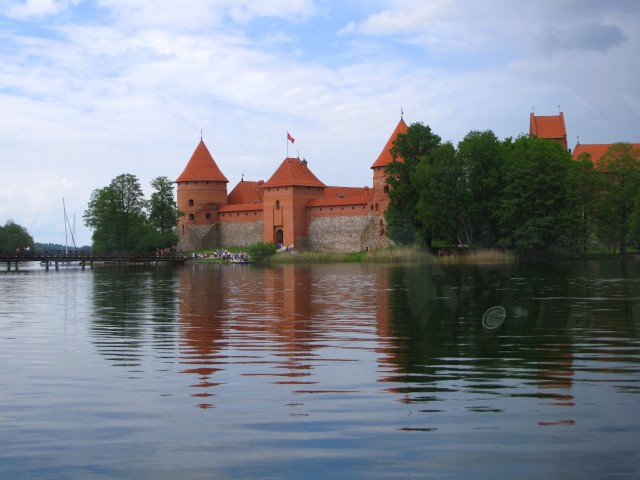


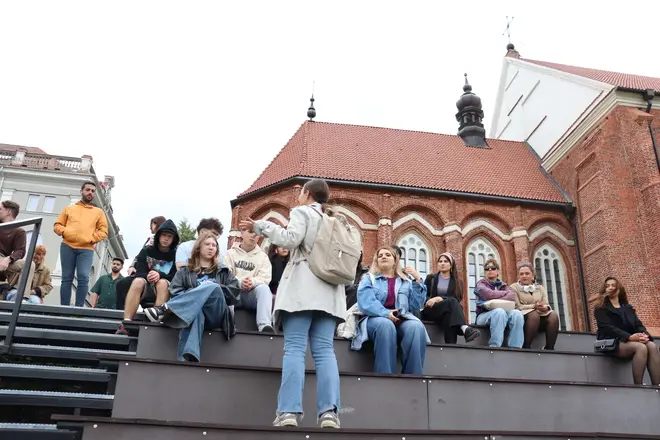
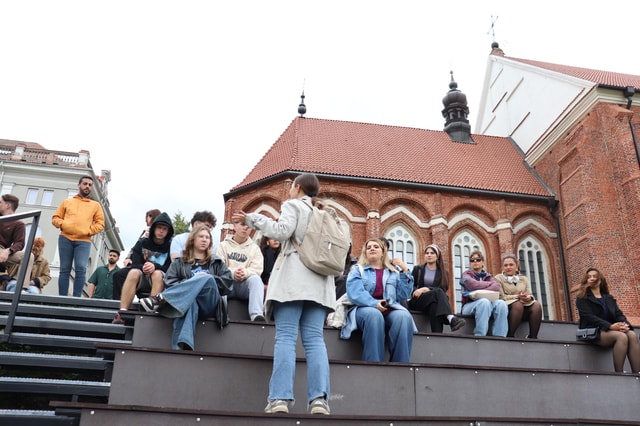
Hello, souls thirsty for travel and curiosity! I am your ticket to an incredibly fun and lively introduction to Kaunas. Forget long, boring lectures – my excursions are like a conversation with friends, only with an extra dose of interesting stories and unexpected discoveries!
Why choose me?
I may not have a thick encyclopedic volume of knowledge in my head, but I have what turns a trip into a real celebration: endless charisma and energy! With me, your excursion will not only be informative, but also... full of laughter and, most importantly, never boring!
What we will see:
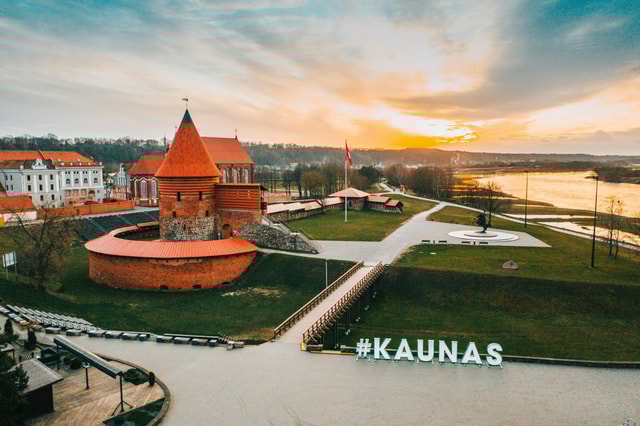
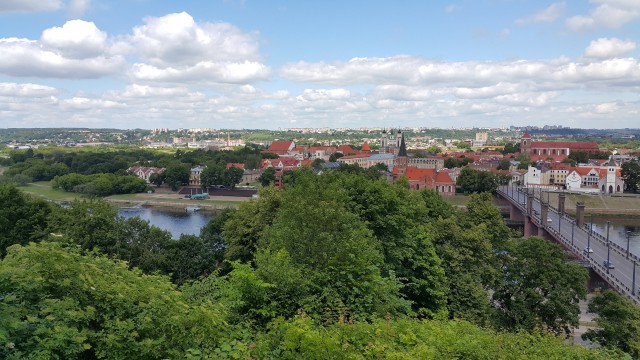
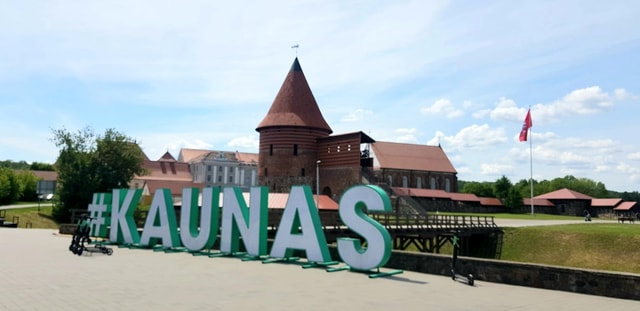
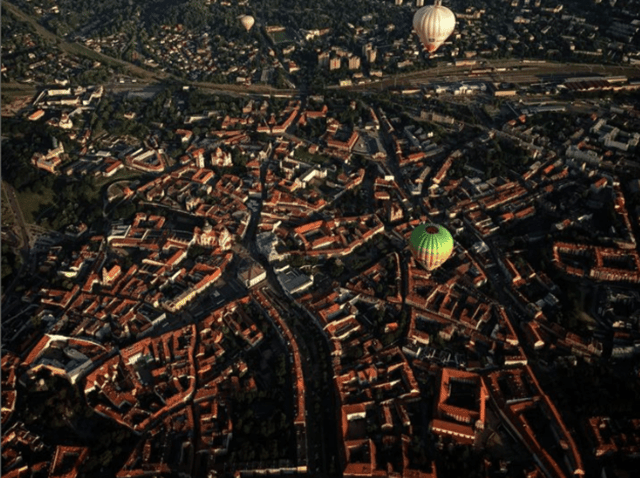
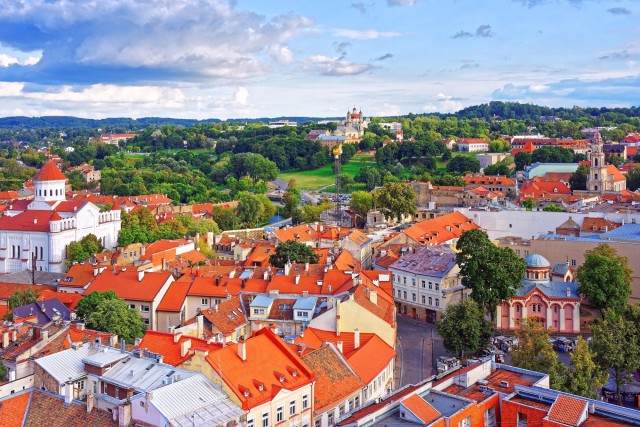
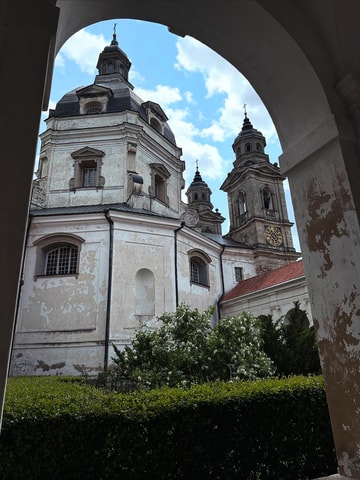
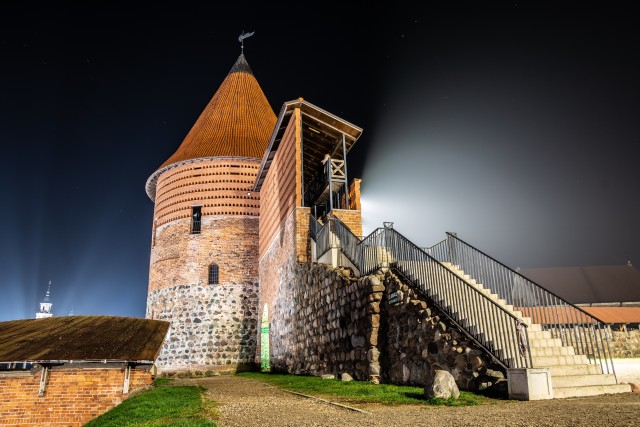
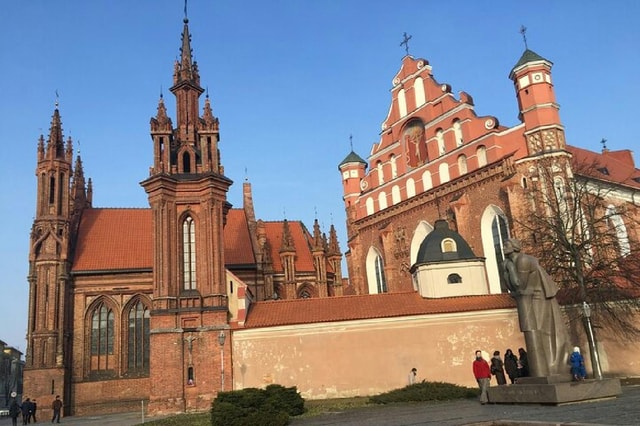
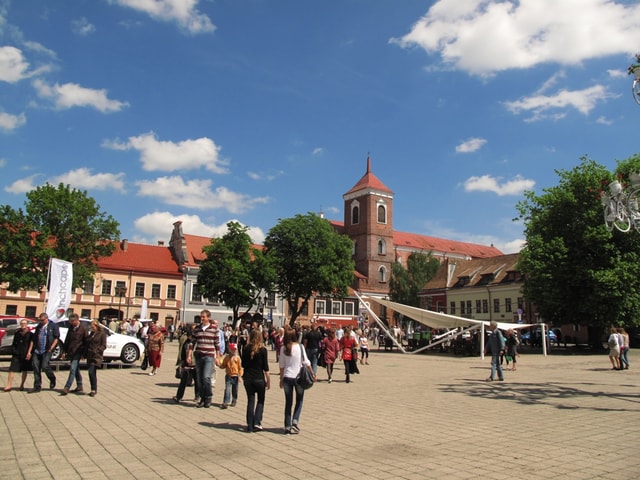
Kaunas old town has castle, 600 years old churches, monasteries, red brick gothic residential houses, medieval merchant buildings and roads. This is the most important place to learn about Kaunas city history. This is were everything started. Let's explore Kaunas old town together!
You are going to learn:
- Lithuanian history
- Kaunas city history
- Kaunas old town architecture
- Old town secrets
You are going to see:
- The longest bridge in the world
- Oldest church in Kaunas
- One of the oldest buildings in Lithuania
- The oldest street in Kaunas
- Hanseatic League office
- Place called ''Little Vatican''
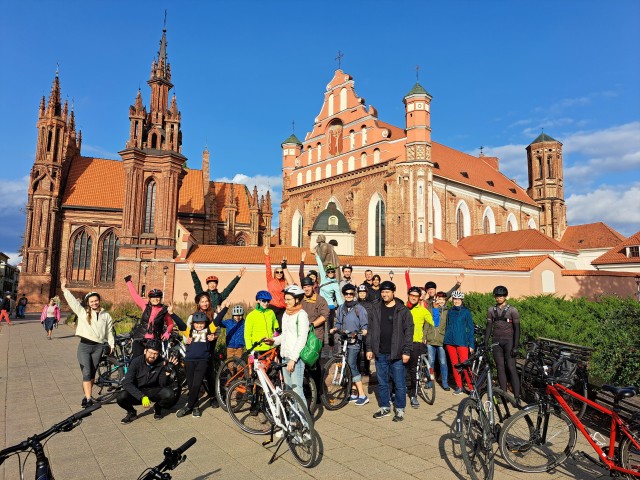

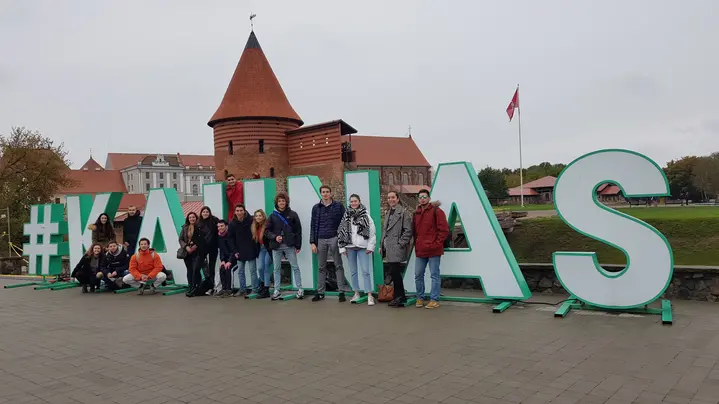
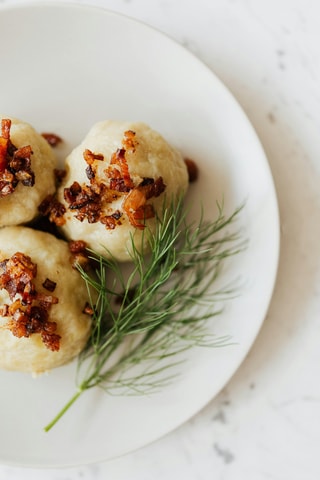
Kaunas is a lively yet tranquil city at the crossroads and in the European wars, shaped by vegetation, the Lithuanian language, and the diversity of its various universities. We walk through a cozy old town where medieval life and battles with the crusaders are remembered from the remains of the 14th-century castle. Then we head to the historic town square, where Gothic churches and merchant houses are being reconstructed in Renaissance style. We descend to where two rivers meet and give life to each other. From there, we will understand why, during the Russian Tsarist occupation, one could step back in time by crossing the bridge. We will learn to notice how pagan symbols still manifest in Christians. Along the "Laisvès" Avenue (Freedom Avenue), like the Lithuanian Rambla, where modern-style houses showcase the proud life of citizens who lived between the two wars, when Kaunas was the capital of Lithuania (1920-1939). You can individually decide how the route will be modified, you can visit the bank if it is open and the garden of the Military Museum and explain why freedom and the state have always been so important to us. I will try to help you better understand what Lithuanians are like, our customs and legends, our festivals, and our daily life. Then you can relax in the spectacular Gothic cellars tasting the delicious Lithuanian beer brewed there. If you're hungry, the symbol of our cuisine awaits you: "cepelinai" and cold beet soup. I'm sure you'll like it.
The languages indicated in the schedule can be changed by prior agreement. We can speak SPANISH, ITALIAN, RUSSIAN, ENGLISH, and, of course, Lithuanian. The hours and meeting place can also be changed if necessary.
Welcome to Kaunas!